

日時:2026年1月9日〜11日
場所:クミラ県コトバリ・バングラデシュ農村開発アカデミー
主催:WKOバングラデシュ支部(アブドラ・M・ホサイン支部長)
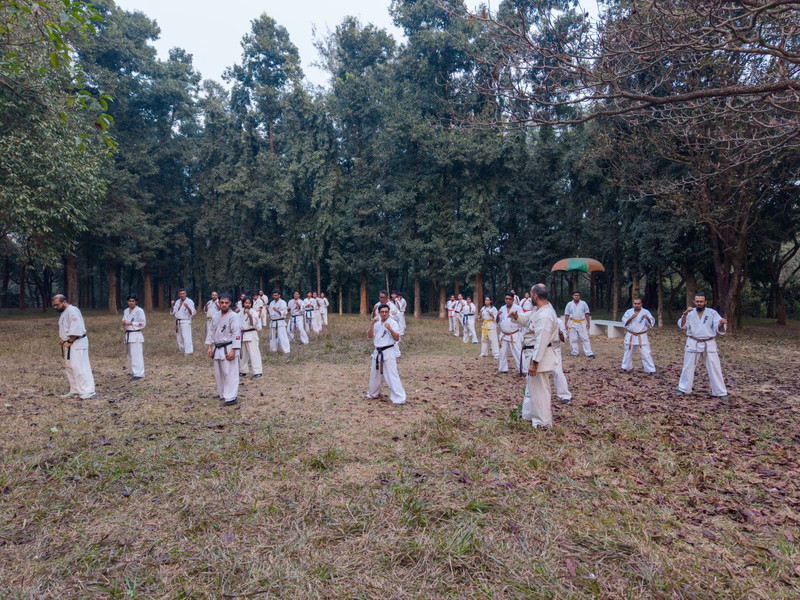
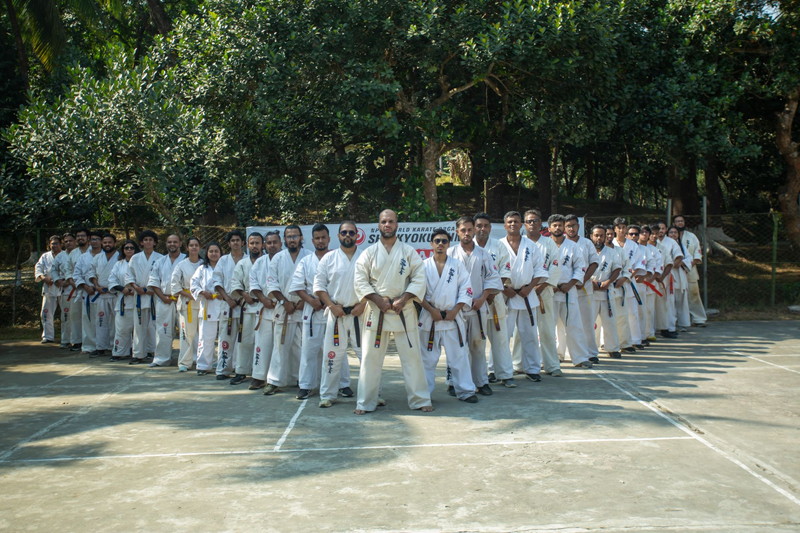
2026年1月9日から11日まで、クミラ県コトバリにあるバングラデシュ農村開発アカデミーにてWKOバングラデシュ・冬季合宿が開催され、約40名が参加しました。合宿は、アブドラ・モハマド・ホサイン師範が企画・監督し、新極真会の規律、根性、「最強の空手」の価値観を再確認するものとなりました。
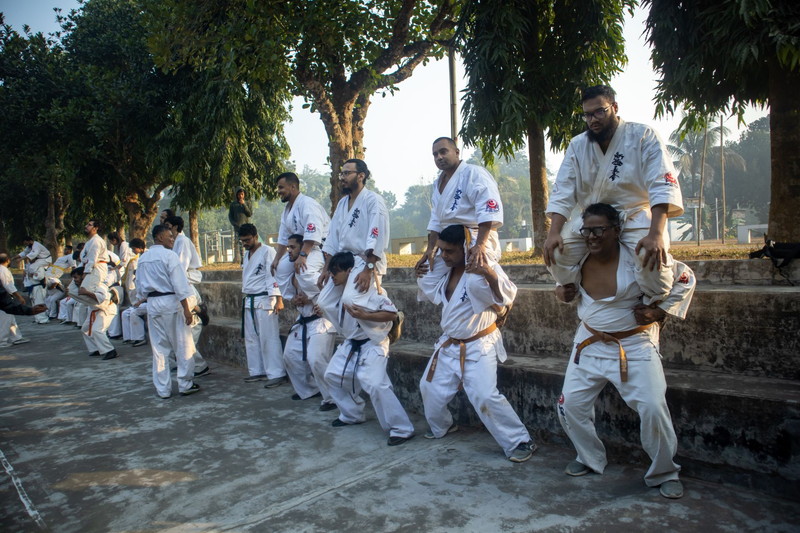
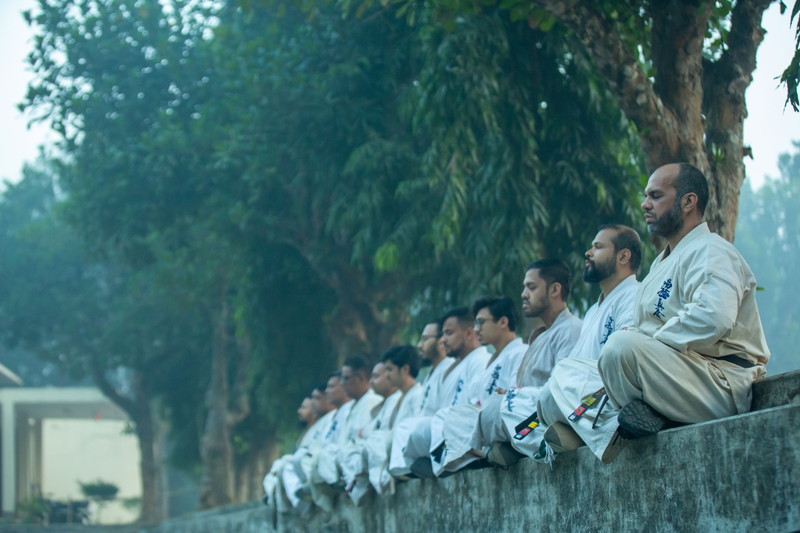
初日は型の習得と組手、筋力強化に重点を置いた2つの集中セッションが行われ、2日目と3日目は、早朝のジョギングや瞑想、技術的な稽古、筋力トレーニング、組手など、厳しいスケジュールで心身を鍛えました。最終日には全員で1,000回の中段突きと前蹴りを行い、キャンプの締めくくりとして決してあきらめない精神を共有しました。最後にホサイン師範の激励スピーチがあり、参加者たちに、ここで得た知識をそれぞれの道場での稽古や普段の日常に取り入れるよう促しました。
WKO Bangladesh Winter Camp 2026
Date: January 9th – 11th, 2026
Place: Bangladesh Academy for Rural Development (BARD), Kotbari, Cumilla, Bangladesh
Organizer: WKO Bangladesh (Branch Chief: Shihan Abdullah Mohammad Hossain)
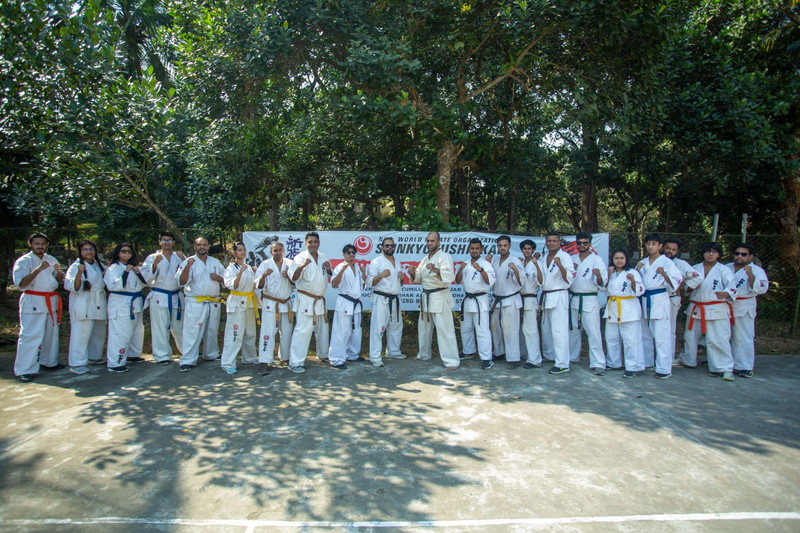
The WKO Bangladesh Winter Camp 2026 was successfully conducted from January 9th to 11th, 2026, at the Bangladesh Academy for Rural Development (BARD) in Kotbari, Cumilla. Organized and supervised by Shihan Abdullah Mohammad Hossain, President, Country Representative, and Branch Chief of WKO Bangladesh, the camp brought together around 40 dedicated practitioners for an intensive three-day journey of physical and mental refinement. This event marked a significant milestone for the organization, emphasizing the core Shinkyokushinkai values of discipline, grit, and the pursuit of “The Strongest Karate.”
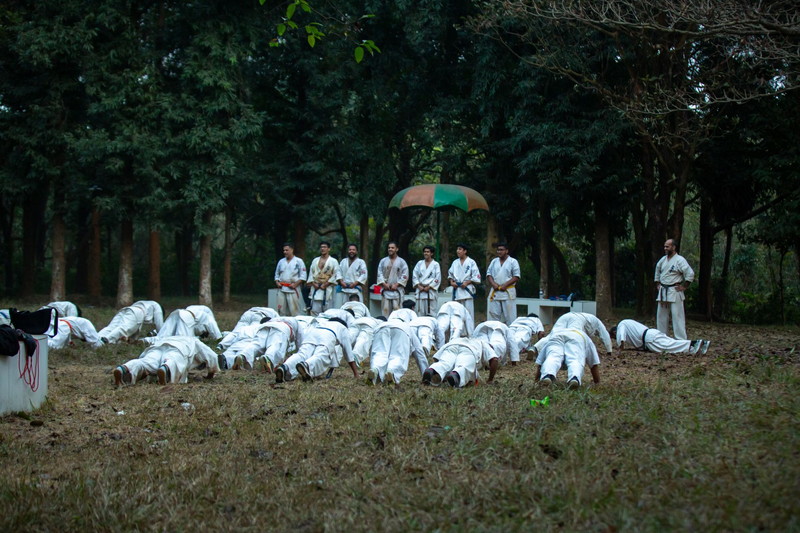
The camp commenced on the first day with two intensive training sessions designed to establish a high standard of focus and energy. The first session was dedicated to the technical mastery of Kata, where students refined their form across a range of traditional patterns. The second session shifted the focus toward combat and physical power, featuring grueling strength-building exercises and Kumite training. This rigorous introduction ensured that all participants were mentally and physically prepared for the demanding schedule of the days to follow.
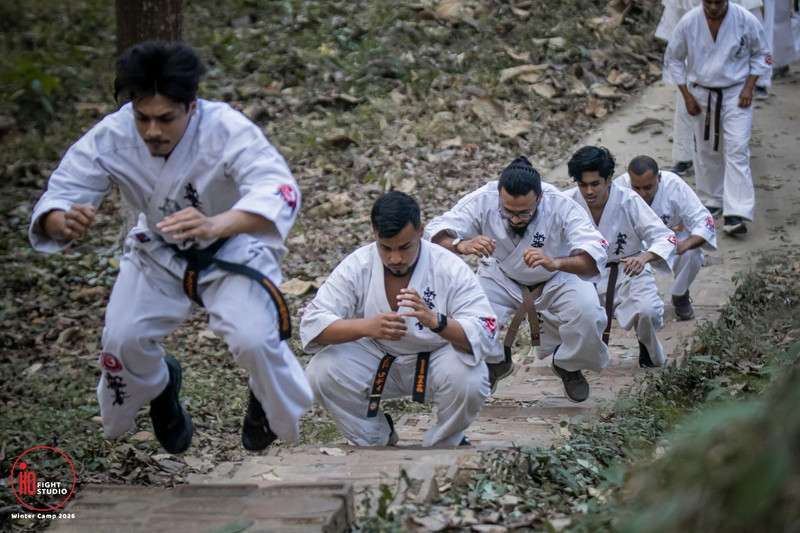
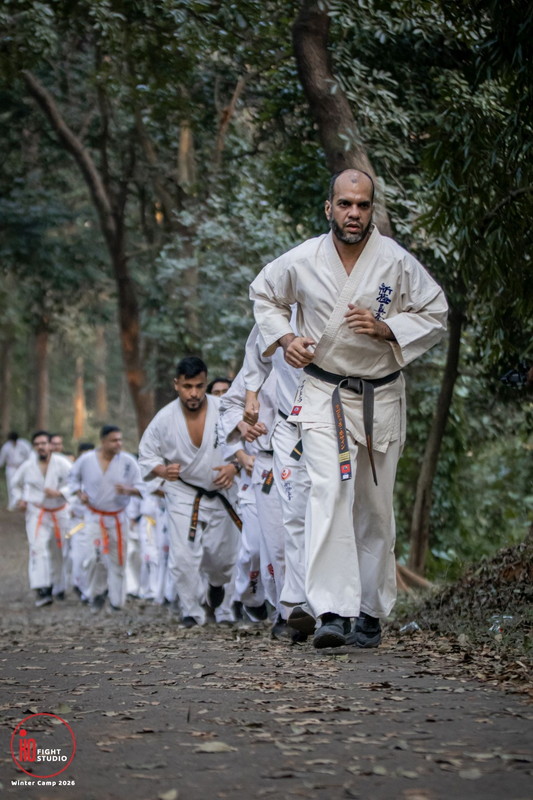
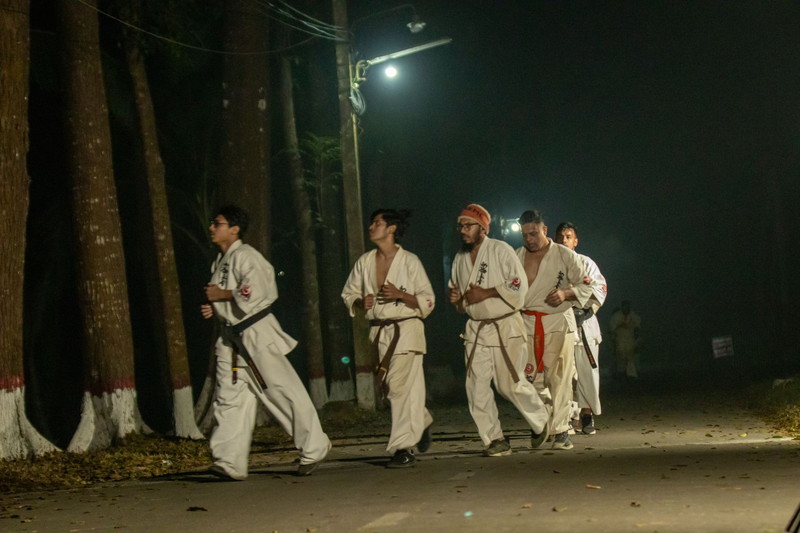
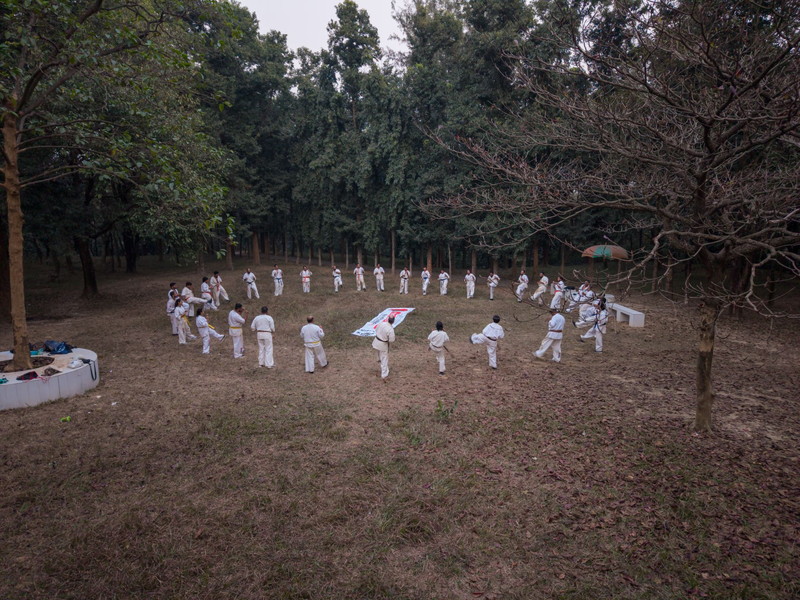
For the following two days, the camp followed a rigorous schedule consisting of three intensive sessions daily. The first session of each day began in the pre-dawn mist at 5:00 AM with a formal lineup and a 3km endurance jog through the serene BARD campus. These early morning sessions were vital for centering the mind through meditation before transitioning into technical Kihon and Eido Keiko. Participants were also pushed through a variety of strength training and conditioning exercises designed to build the foundational stamina required for full-contact karate.
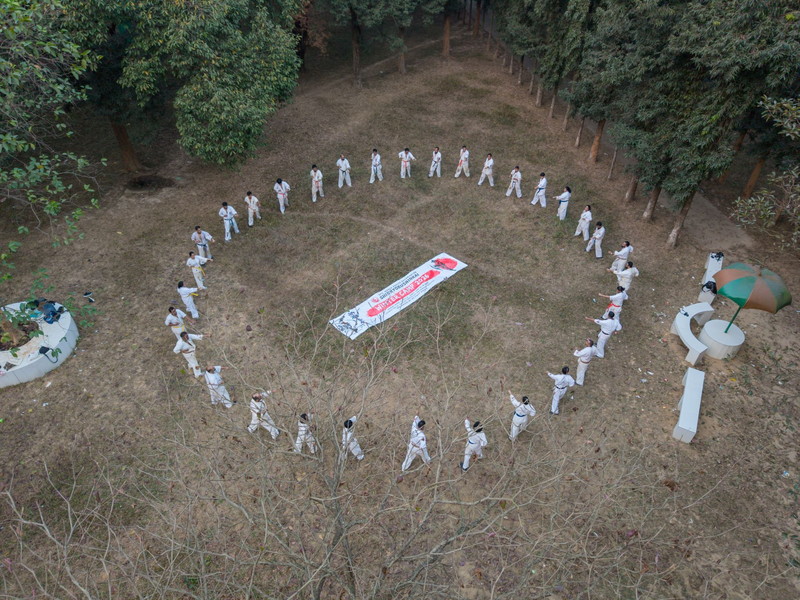
Technical mastery was the primary focus of the mid-day sessions, which were dedicated entirely to the art of Kata. Training progressed systematically from fundamental forms to the most advanced Katas, ensuring that practitioners at all levels refined their technique. The curriculum included deep dives into Tsukino Kata, Saiha, Tensho, Sanchin, Gekisai Dai, Gekisai Sho, Garyu, and Seienchin. Under Shihan Abdullah’s guidance, students focused on the nuances of breathing, tension, and explosive power, bridging the gap between basic movements and high-level performance.
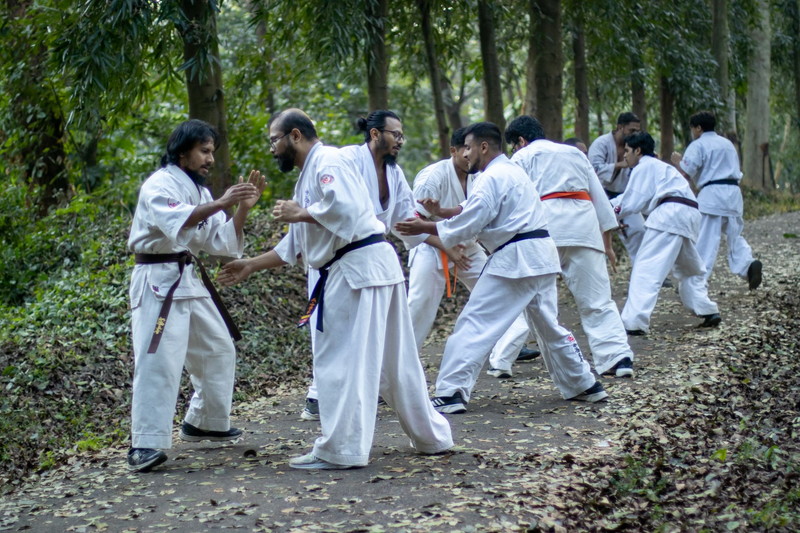
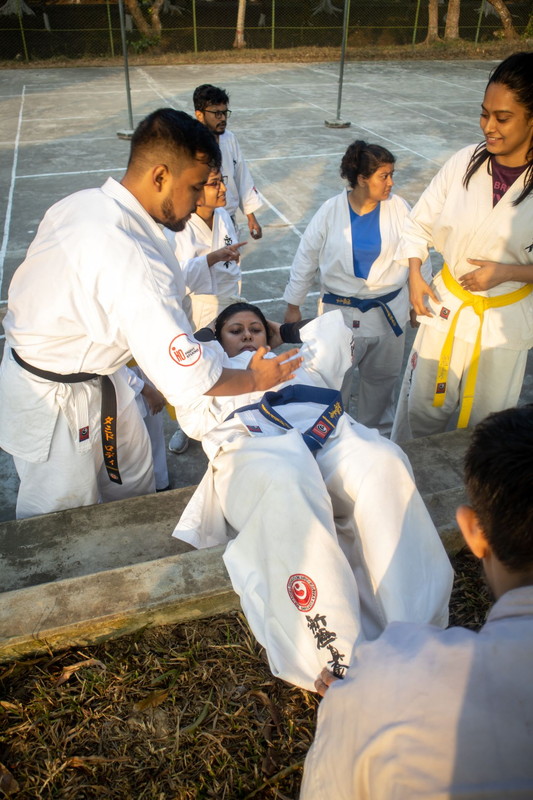
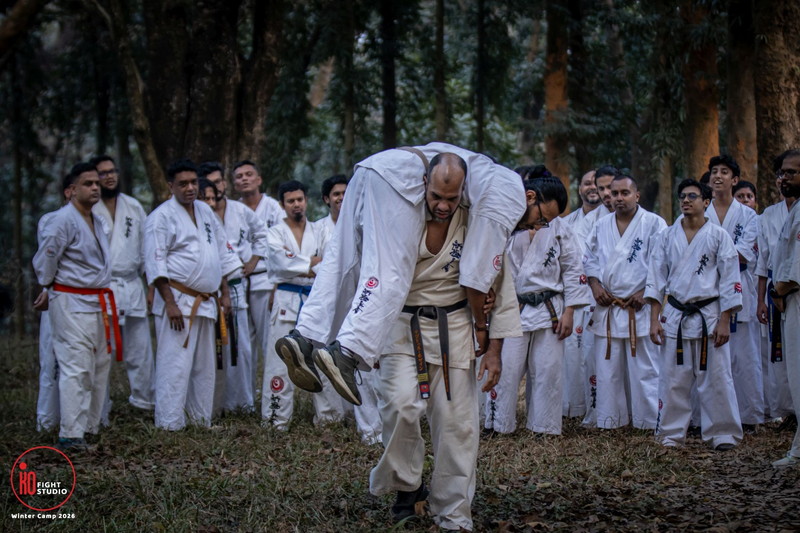
The final session of each day was characterized by grueling strength-building and power training exercises. These blocks were designed to test the physical limits of the participants, incorporating functional movements and conditioning drills. The energy of these sessions transitioned into Kumite training, where students applied their technical skills in full-contact battles. This combat focus allowed the practitioners to test their fighting spirit and tactical awareness in a controlled yet high-pressure environment, fostering both skill and camaraderie.
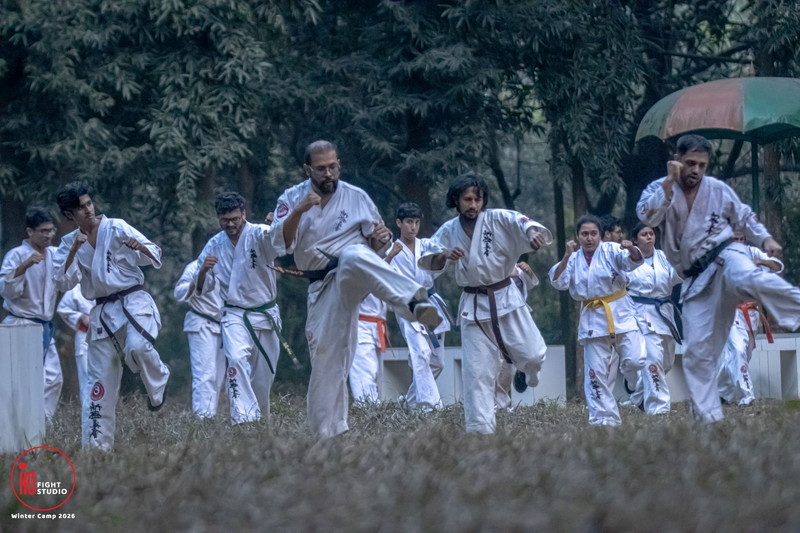
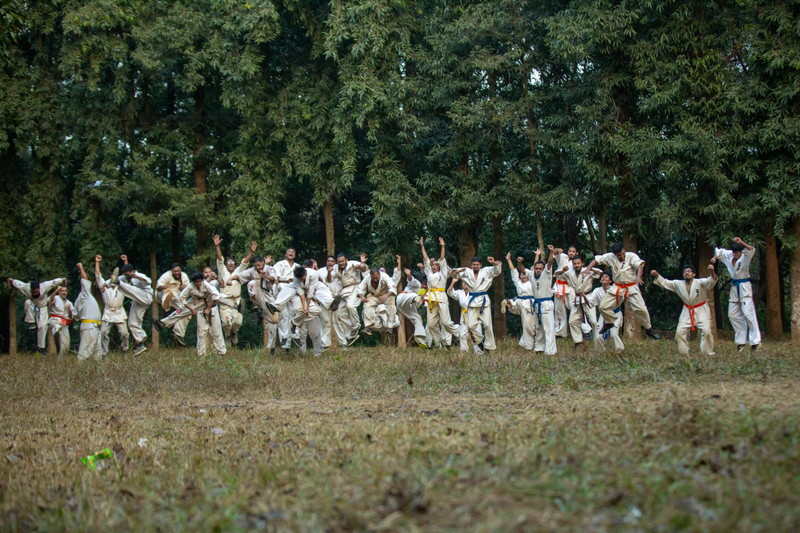
The camp reached its traditional peak on the final day with a monumental display of endurance and focus. To conclude the physical training, the entire group gathered for a final test: the execution of 1,000 Chudan Tsuki and 1,000 Mae Geri in perfect unison. This grueling finale served as a powerful reminder of the “never give up” philosophy. The event concluded with a formal Sayonara dinner, where Shihan Abdullah Mohammad Hossain delivered a motivational closing speech, encouraging everyone to carry the discipline and strength gained at the camp back to their respective dojos and daily lives.